Ragdoll genetics guide
Every Ragdoll color and pattern comes from a handful of genes, each with two copies — one from each parent. Here's what each locus does and why it shows up in the calculator.
A — Agouti
Controls tabby (lynx) expression. Ragdolls are normally a/a (non-agouti); a single A gives lynx-pointed kittens.
E — Extension
e/e produces amber, where black pigment turns warm and reddish. Very rare in Ragdolls but included for completeness.
B — Black series
B/B and B/b are seal; b/b is chocolate. A B/b cat looks seal but can hand chocolate to half its kittens.
D — Dilution
d/d dilutes seal to blue and chocolate to lilac. D/d cats look dense but carry dilute invisibly.
C — Colorpoint
cs/cs is the classic pointed Ragdoll. cs/cb gives mink, cb/cb sepia, and cs/c a pointed cat carrying albino.
O — Red (X-linked)
Red sits on the X chromosome. Girls can be o/o, O/o (tortie) or O/O (red); boys are simply o/Y or O/Y — which is why tortie boys essentially don't happen.
KIT — White spotting
The mitted and bicolor alleles stack: one copy gives mitted or bicolor, two copies push toward high white and van patterning.
Mink vs Traditional Ragdolls
“Mink” Ragdolls — sometimes marketed as Cherubim — carry one colorpoint allele and one Burmese allele (cs/cb). Traditional Ragdolls are homozygous colorpoint (cs/cs). The difference is more than semantics: it changes eye color, body shading, and how the cat is registered.
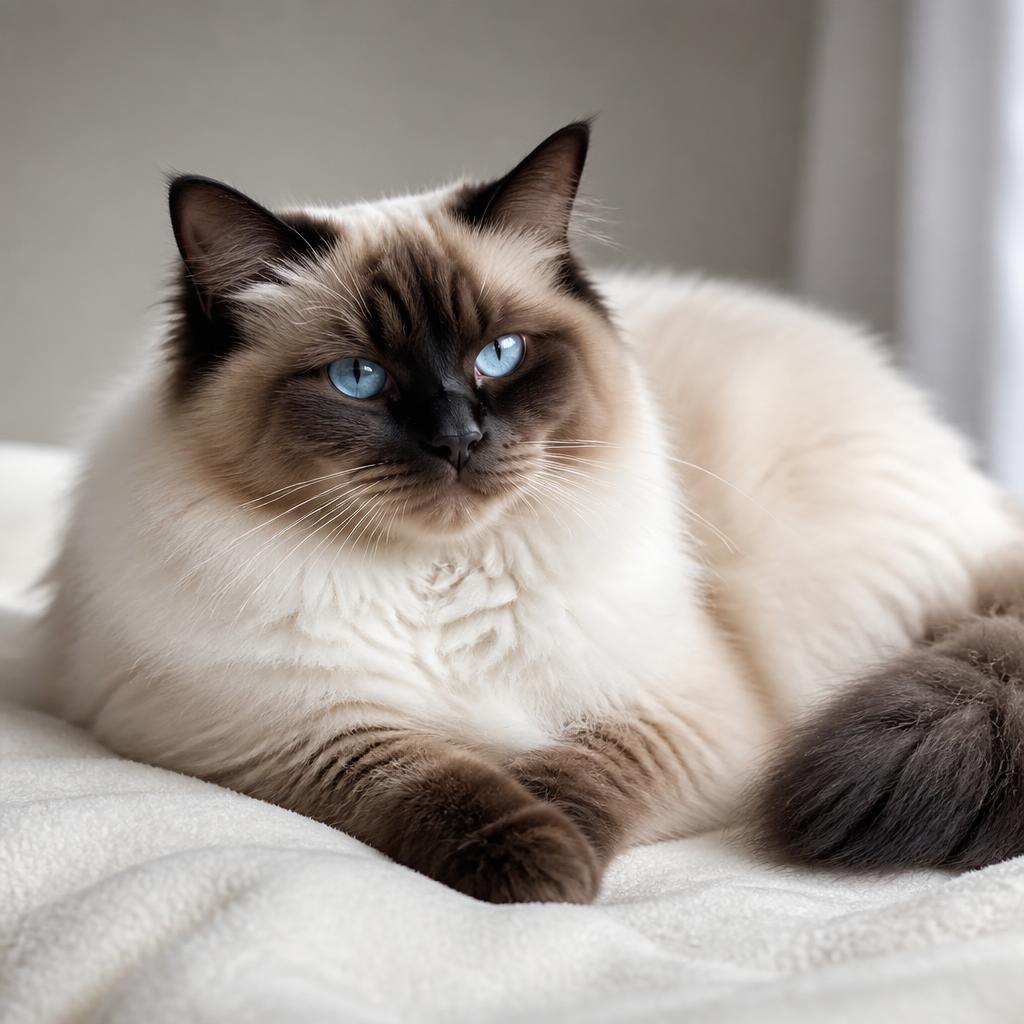
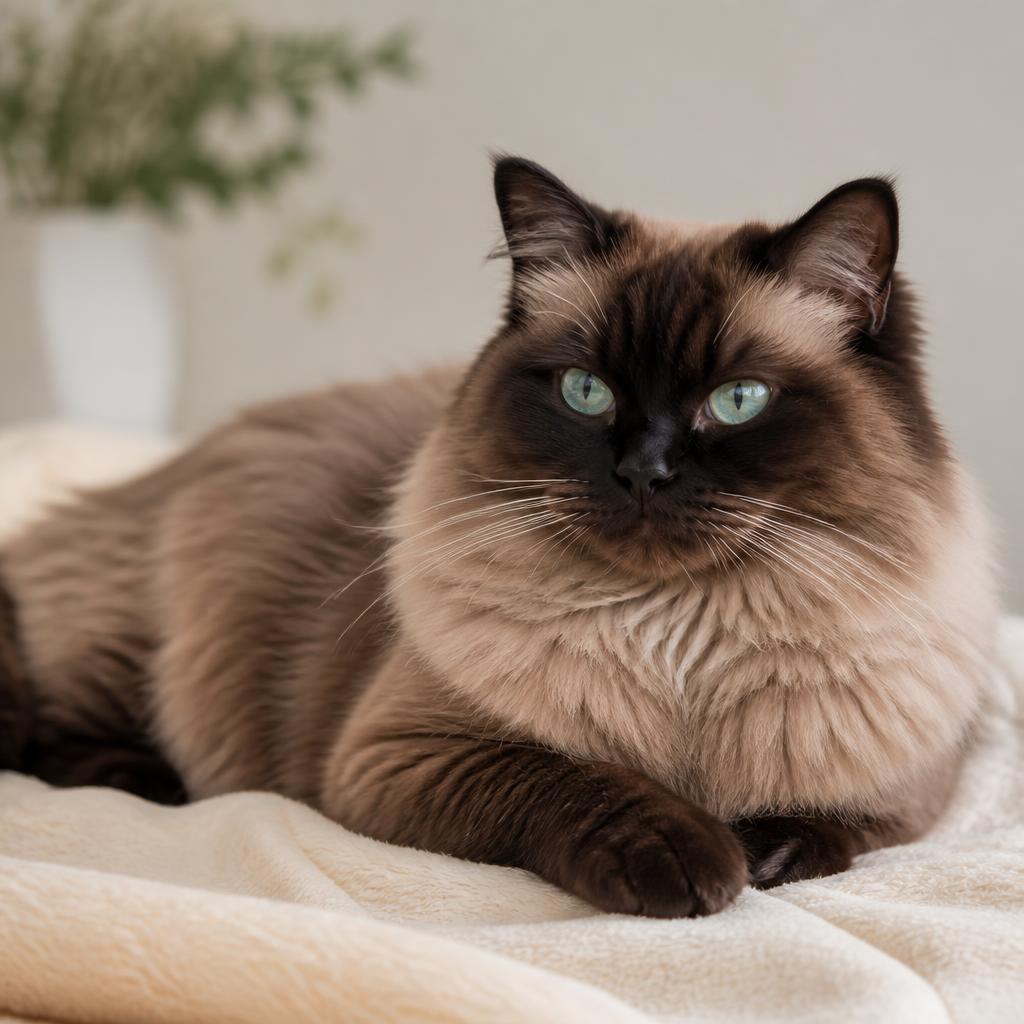
- Eyes: Traditional Ragdolls have the breed-famous blue eyes. Minks have aqua, greenish-blue, or turquoise eyes.
- Coat tone: Minks keep pigment further down the body, so they look richer and less “frosty” than a traditional pointed cat.
- Genetics: Mink is a heterozygous C-locus combination. Breeding two minks together can produce traditional, mink, and sepia kittens.
- Registration: Mink Ragdolls are not accepted by all registries or breeder associations as true Ragdolls. Check your registry’s rules before advertising them as such.
Reading the odds
Results are Mendelian probabilities per kitten, not a plan for the litter. A 25% outcome can appear in all four kittens or none of them. Where a locus is untested, the calculator averages across every genotype that parent could have, so treat those numbers as estimates.
Try it on your pairing